The Eddy Current Separator is a solid waste sorting device that utilizes the eddy current effect to separate non-magnetic non-ferrous metals from non-metallic materials within a mixed, shredded feedstock. Its core components include a high-speed rotating permanent magnet rotor, a conveyor belt, and a material splitter.

The Eddy Current Separator is a solid waste sorting device that utilizes the eddy current effect to separate non-magnetic non-ferrous metals from non-metallic materials within a mixed, shredded feedstock. Its core components include a high-speed rotating permanent magnet rotor, a conveyor belt, and a material splitter.


The Eddy Current Separator operates based on Faraday's law of electromagnetic induction. An internal permanent magnet rotor rotates at high speed, generating a high-frequency alternating magnetic field. As conductive non-ferrous metals enter this field on the conveyor belt, eddy currents are induced within the metal. These eddy currents generate a counter-magnetic field that repels the magnetic field of the rotor, causing the non-ferrous metals to be ejected and altering their trajectory. Non-metallic materials—such as plastic and glass—are non-conductive and do not generate eddy currents; they simply fall under gravity along their original path, thereby achieving separation.
Note: Ferrous magnetic metals (such as iron and steel) must be removed beforehand using a magnetic separator; otherwise, they will interfere with the sorting performance.

✅ Separable materials:
Non-ferrous metals: such as copper, aluminum, zinc, tin, lead, gold, and silver.
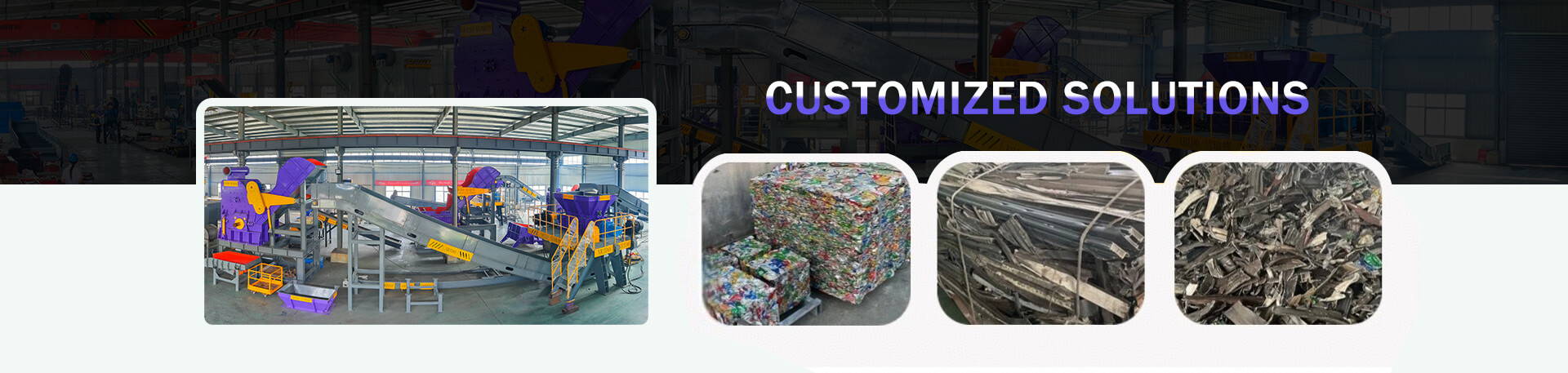
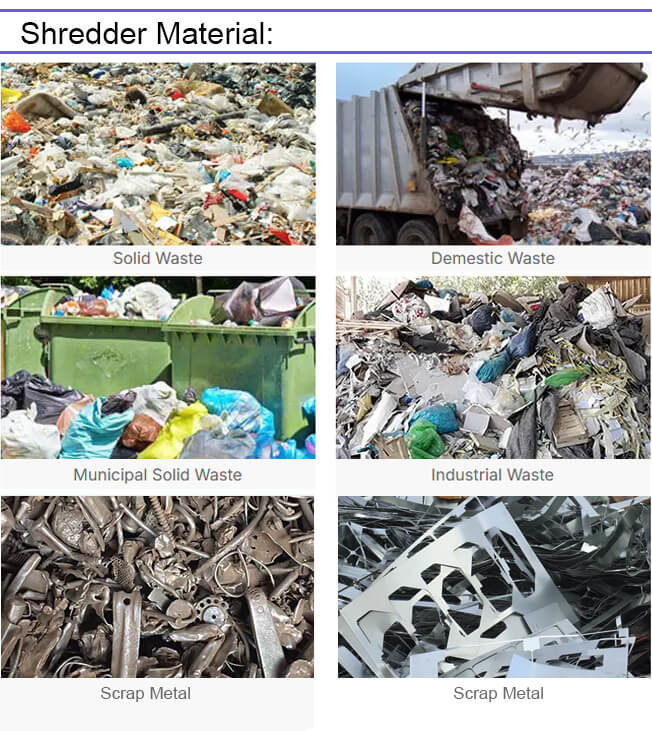
Suitable feedstocks: Municipal solid waste (MSW) incineration slag, shredded automotive scrap, dismantled home appliance scrap, shredded thermal-break aluminum profiles, electronic waste, and crushed construction waste.
Suitable particle size: Standard shredded particles or flakes ranging from **3mm to 100mm**.
❌ Non-separable materials:
Ferrous metals (iron, steel); non-metallic materials (plastic, rubber, sand/gravel, ceramics, glass); and certain types of stainless steel with extremely poor conductivity.
Advantages of the Eddy Current Separator:
1. Overcomes the limitations of standard magnetic separation: Conventional magnets only capture iron, whereas this machine specifically recovers valuable non-ferrous metals like copper and aluminum.
2. Dry physical separation process: Requires no water or chemical additives, resulting in no wastewater or chemical pollution.
3. Supports continuous, automated operation with high throughput; can be directly integrated into shredding and recycling production lines.
4. Permanent magnet design ensures low energy consumption, structural stability, and easy maintenance.
5. Adjustable parameters: Rotor speed, belt speed, and splitter plate position can be adjusted to accommodate materials of varying particle sizes. 6. Non-contact sorting preserves the integrity of the metal material and yields high-purity recovered metal.


Belt width(mm) | Effective Space(mm) | Separate Motor(kw) | Belt Driven Motor (KW) | Shaking Table Motor(kw) | Small Material (m3/h) | Big Material (m3/h) |
450 | 320 | 3 | 0.55 | 120 | 3 | 6 |
580 | 420 | 3 | 0.55 | 120 | 4 | 8 |
650 | 520 | 4 | 0.75 | 120 | 5 | 10 |
800 | 620 | 5.5 | 0.75 | 120 | 7 | 14 |
1000 | 820 | 5.5 | 1.1 | 2*120 | 9 | 18 |
1200 | 1050 | 7.5 | 1.1 | 2*120 | 11 | 22 |
1500 | 1350 | 7.5 | 1.1 | 2*120 | 14 | 28 |






 Get Price
 WhatsApp